Text & Image to 3D Generation
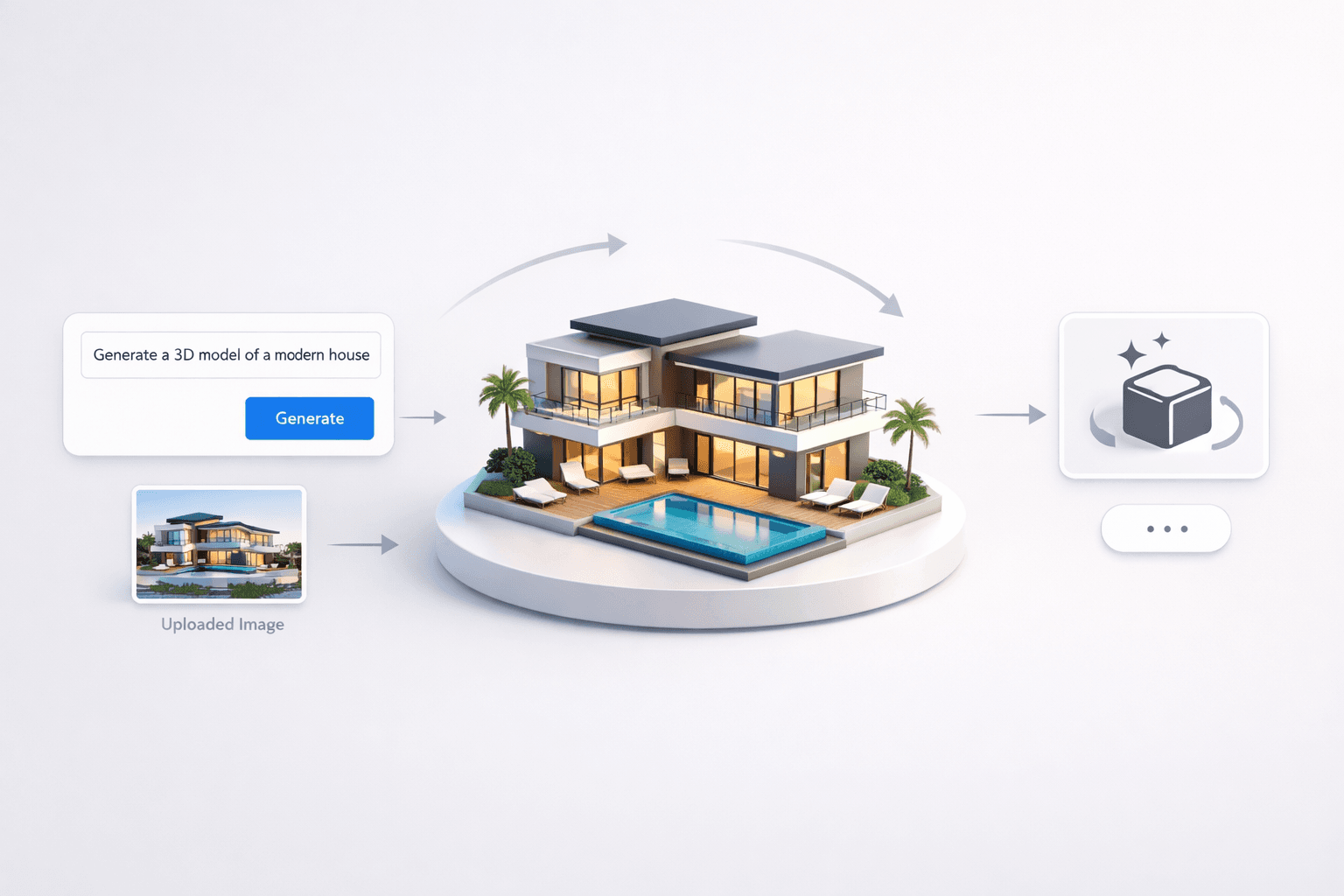
Hydrilla transforms natural language descriptions and reference images into structured 3D assets. This enables artists and technical teams to translate concepts into editable geometry without manual base modeling.
Platform Capabilities
Hydrilla transforms natural language descriptions and reference images into structured 3D assets. This enables artists and technical teams to translate concepts into editable geometry without manual base modeling.
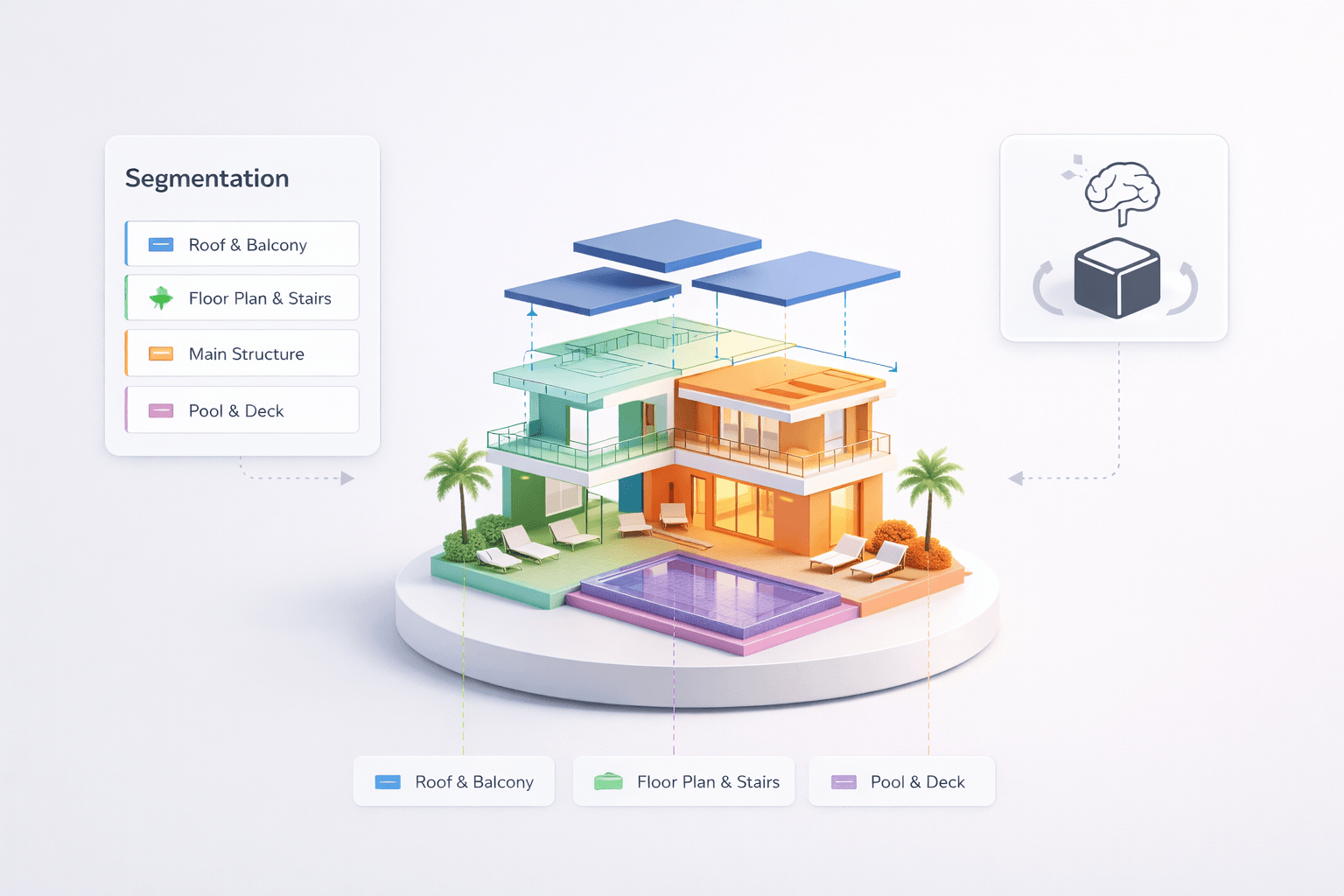
Hydrilla isolates objects and structural components from source imagery using AI-driven segmentation. Separated visual elements are reconstructed into organised geometry for accurate model generation and downstream editing.
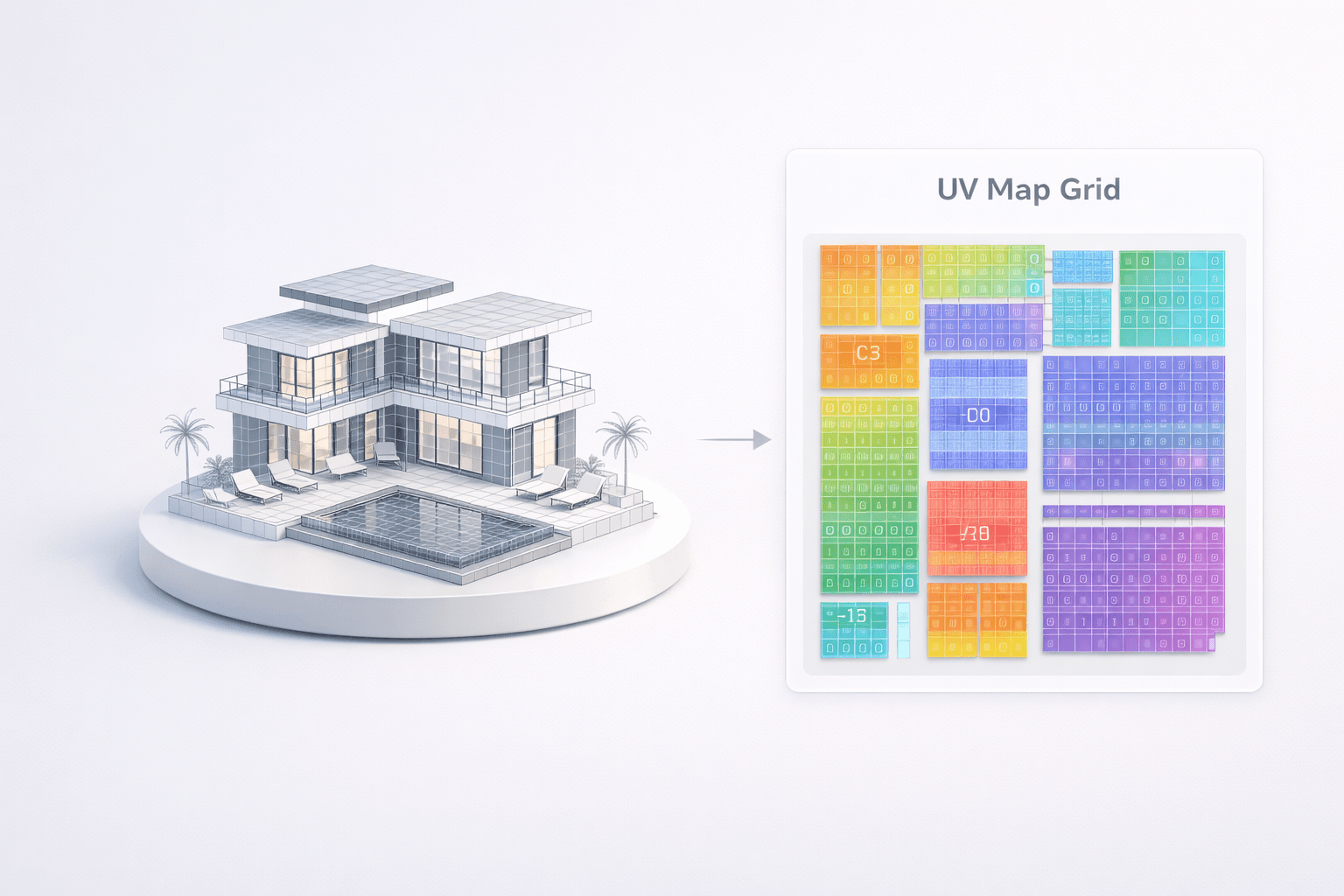
Generated assets include UV-mapped surfaces prepared for standard texturing workflows. Materials, texture maps, and surface details can be applied immediately within professional rendering pipelines.
Hydrilla enables iterative generation of asset variations while maintaining structural coherence. Teams can explore design directions, proportions, and stylistic changes without rebuilding models from scratch.
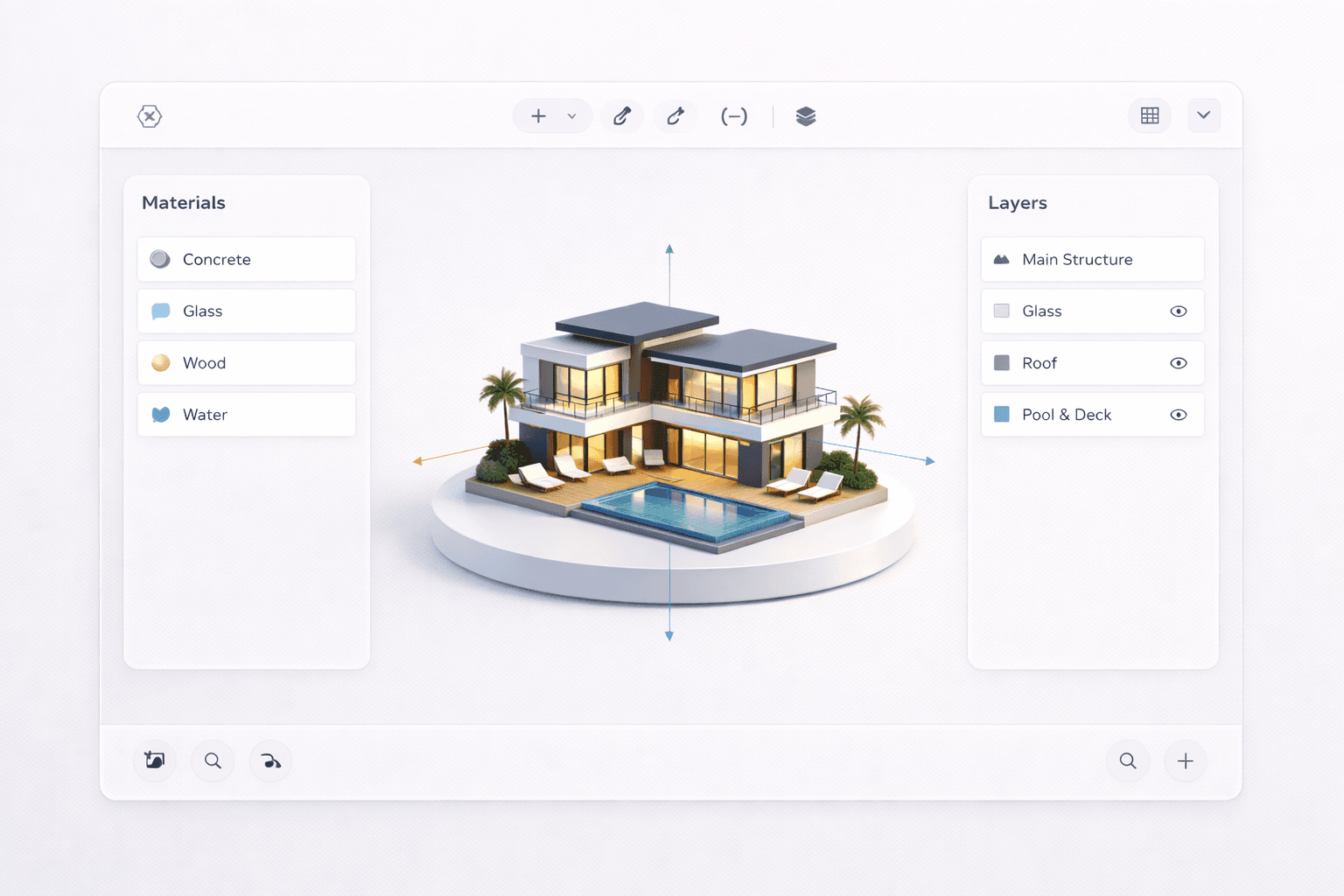
Models can be inspected and refined inside the Hydrilla workspace prior to export. The workspace provides controls for material adjustments, geometry inspection, and asset preparation within an interactive viewport.
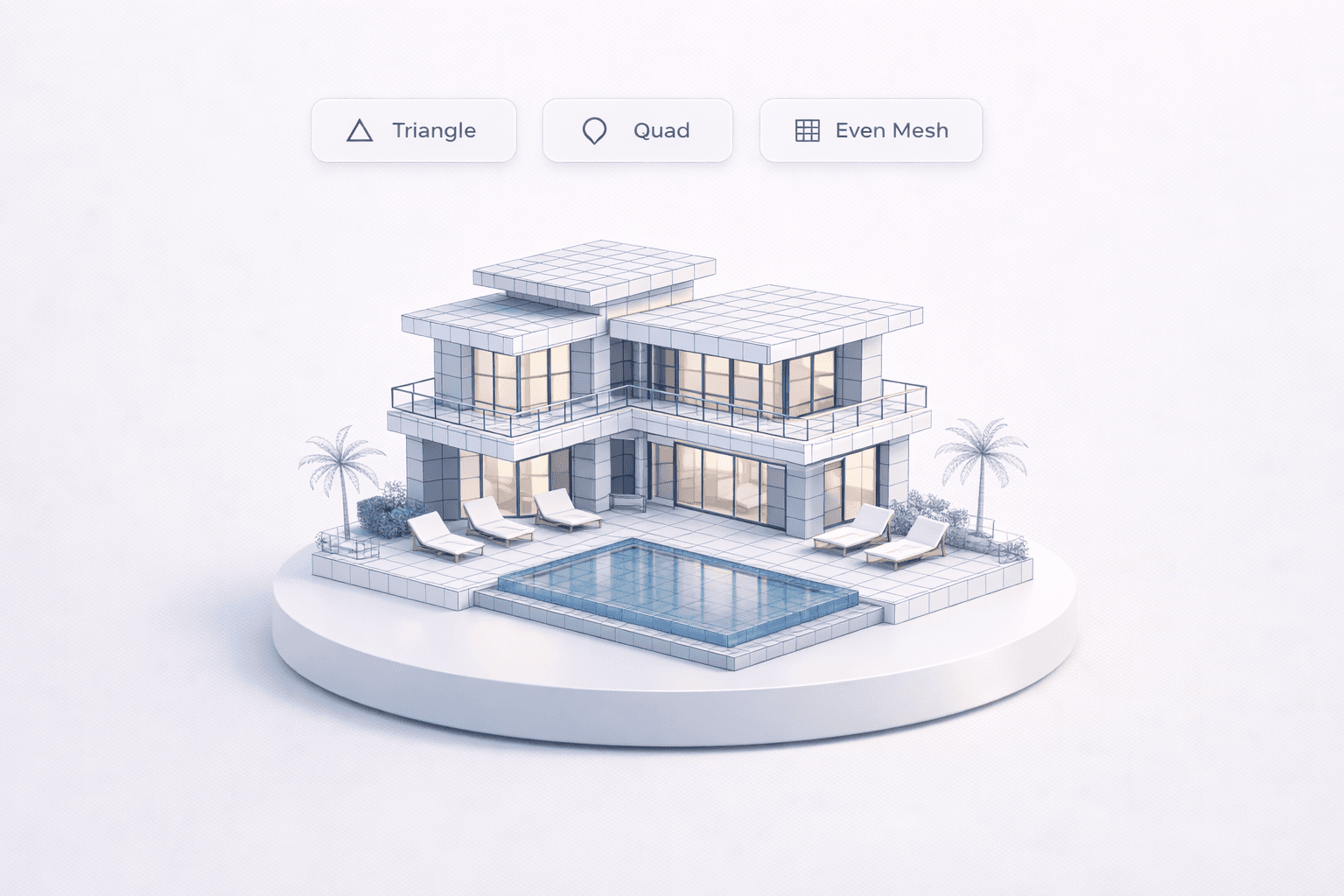
Hydrilla generates structured meshes designed for integration into real production environments. Assets are suitable for use in real-time engines, rendering systems, and animation workflows.
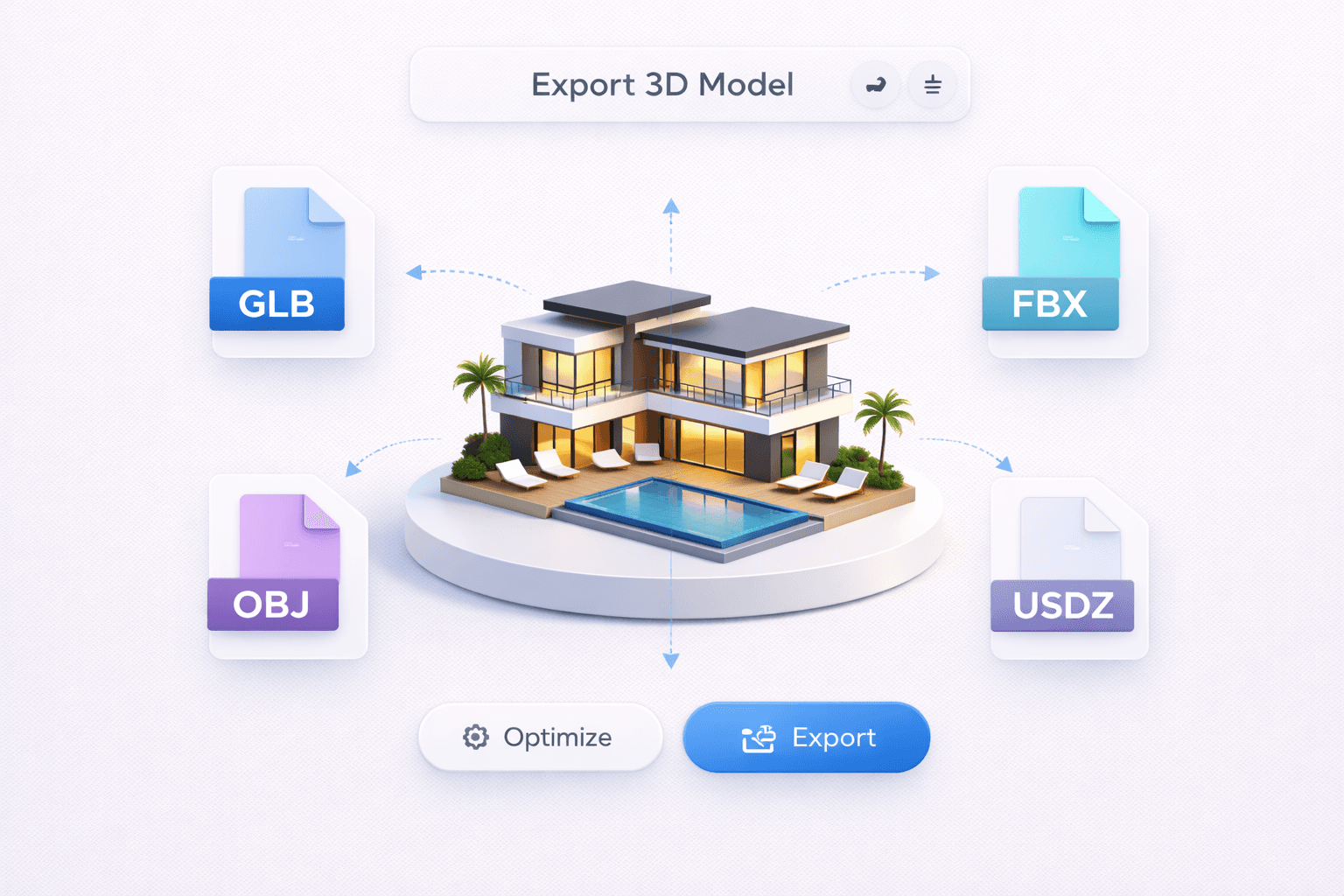
Assets can be exported in widely supported formats compatible with major 3D tools and engines — GLB, FBX, OBJ, and USDZ — ready for immediate use in your pipeline.
Hydrilla provides a generation API that allows teams to integrate asset creation directly into internal production pipelines. Automated workflows can trigger asset generation, iteration, and export programmatically.
Hydrilla transforms natural language descriptions and reference images into structured 3D assets. This enables artists and technical teams to translate concepts into editable geometry without manual base modeling.
Hydrilla isolates objects and structural components from source imagery using AI-driven segmentation. Separated visual elements are reconstructed into organised geometry for accurate model generation and downstream editing.
Generated assets include UV-mapped surfaces prepared for standard texturing workflows. Materials, texture maps, and surface details can be applied immediately within professional rendering pipelines.
Hydrilla enables iterative generation of asset variations while maintaining structural coherence. Teams can explore design directions, proportions, and stylistic changes without rebuilding models from scratch.
Models can be inspected and refined inside the Hydrilla workspace prior to export. The workspace provides controls for material adjustments, geometry inspection, and asset preparation within an interactive viewport.
Hydrilla generates structured meshes designed for integration into real production environments. Assets are suitable for use in real-time engines, rendering systems, and animation workflows.
Assets can be exported in widely supported formats compatible with major 3D tools and engines — GLB, FBX, OBJ, and USDZ — ready for immediate use in your pipeline.
Hydrilla provides a generation API that allows teams to integrate asset creation directly into internal production pipelines. Automated workflows can trigger asset generation, iteration, and export programmatically.